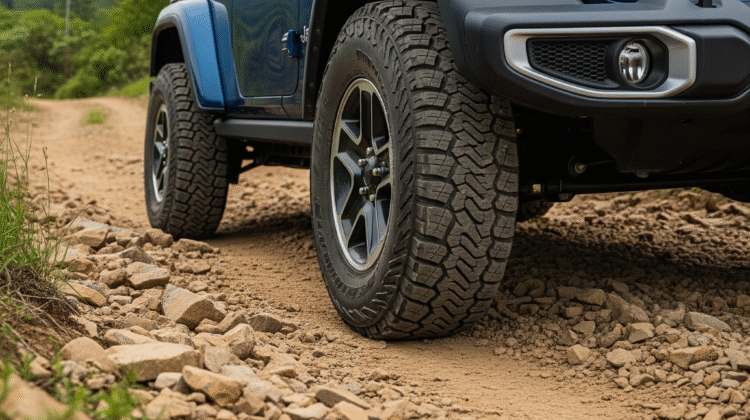
The Ultimate Jeep Trail Tire Pressure Guide: Conquer Any Terrain with Confidence
Whether you’re a seasoned off-roader or a weekend trail warrior, one of the most overlooked yet critical aspects of Jeep performance on the trail is tire pressure. Dial it in wrong, and you’re risking traction loss, rim damage, or even a blowout. Nail it, and you’ll feel like your Jeep was born to crawl over boulders and float through sand.
This is your no-nonsense, practical guide to Jeep trail tire pressure—backed by real off-roaders, not theory. Let’s dig into the why, what, and how of deflating for the dirt.
🧭 Why Tire Pressure Matters on the Trail
When you’re bouncing along rocky paths, sloshing through mud, or carving your way across desert sand, your tires become your suspension, grip, and shock absorber. Lowering tire pressure does three vital things:
- Increases the tire’s footprint (more surface area = more traction)
- Softens the ride, absorbing bumps and uneven terrain
- Protects the trail by reducing tire spin and erosion
But there’s a fine line between deflated and deflated and dangerous.
📉 Recommended Trail Tire Pressures (By Terrain Type)
Here’s a solid starting point, but remember—these numbers may vary based on tire size, Jeep weight, and terrain conditions.
| Terrain Type | Recommended PSI | Notes |
|---|---|---|
| Rocks | 12–18 PSI | Flexibility helps wrap around obstacles |
| Sand | 10–14 PSI | Lower pressure keeps you from sinking |
| Mud | 15–18 PSI | Helps maintain float and forward bite |
| Snow | 12–16 PSI | Wide footprint = better float on top |
| Gravel Trails | 18–22 PSI | Moderate deflation for comfort and control |
Pro Tip: Never go below 10 PSI without beadlock wheels—you risk popping a tire off the rim!
🔧 How to Air Down Like a Pro
Getting to the right tire pressure doesn’t mean just eyeballing it. Here’s a simple step-by-step guide:
- Start with the right tools:
- Digital or analog tire pressure gauge
- Tire deflators (automatic or manual)
- Onboard air compressor for airing back up
- Know your baseline.
- Check your tire’s cold PSI rating (usually 30–35 PSI for daily driving)
- Deflate gradually.
- Drop pressure in small increments—then test and adjust
- Test your traction.
- Notice how your Jeep grips and feels—trail feedback is key
- Airing back up is non-negotiable.
- Never drive on pavement with deflated tires—it kills your sidewalls
🧰 Airing Back Up: Don’t Skip This Step
If you’re hitting trails often, invest in a portable air compressor. It’s a small price to pay for tire life, fuel economy, and peace of mind. Here’s what to look for:
- High CFM rating (for faster inflation)
- Duty cycle suitable for multiple tires
- Compatibility with your Jeep’s power system
Bonus Tip: Keep a tire repair kit in your Jeep at all times. Trail pressure = higher risk of punctures.
🚙 What PSI Are Other Jeepers Using?
We asked a few real Jeep enthusiasts what PSI they run:
- Sam (2012 JK Rubicon, 35” tires): “I go down to 12 PSI for rocky trails in Moab. More flex, better crawl.”
- Elena (2021 Wrangler Sahara, stock 33s): “18 PSI is my go-to for Arizona dirt roads. Comfortable and stable.”
- Jorge (Gladiator Overland, beadlocks): “I run 10 PSI in the dunes. Makes a world of difference.”
Every Jeep, tire, and trail is unique—but lowering your tire pressure changes everything.
💡 Final Thoughts: It’s All About Control
There’s nothing quite like the feeling of a Jeep gliding over a gnarly trail with tires aired down just right. It’s smooth, it’s capable, and it feels like you’ve unlocked another level of off-road performance.
So next time you hit the trail, don’t just air down—air down with purpose.
🔎 Looking for Your Next Adventure Machine?
If you’re serious about trail rides, rock crawling, or just looking trail-ready straight off the lot, check out the latest jeeps for sale. From lifted Wranglers to trail-tuned Gladiators, there’s a perfect rig waiting for your next off-road mission.
🛠️ FAQs
Q: What PSI is too low for off-roading?
A: Anything below 10 PSI without beadlocks is risky. You could unseat the bead and lose the tire.
Q: Can I drive on the highway with trail PSI?
A: Absolutely not. Always air back up before returning to pavement driving.
Q: Do different tire types affect pressure?
A: Yes—sidewall strength, tread design, and width all influence how low you can safely go.
