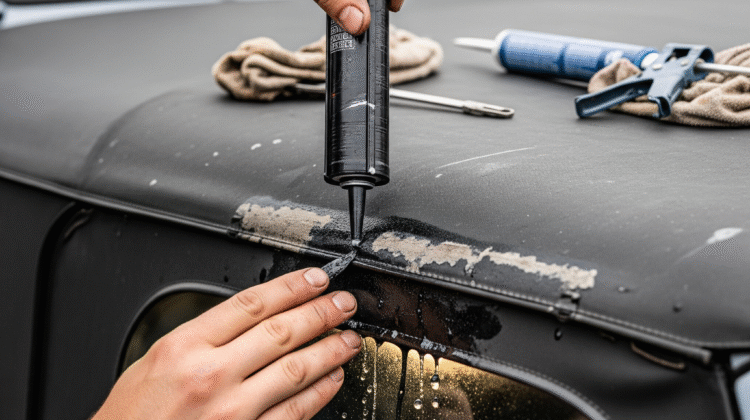
Jeep Roof Leak Fixes: A Practical Guide for Every Wrangler & Cherokee Owner
Owning a Jeep means adventure—muddy trails, sudden downpours, and rugged drives where ordinary SUVs simply tap out. But if you’ve had your Jeep for a while, you might have faced one of the most frustrating issues: roof leaks. Whether you drive a Wrangler with a soft top or a Grand Cherokee with a sunroof, leaks can creep in and make your off-road dream ride feel like a soggy nightmare.
Don’t worry—this guide will walk you through common Jeep roof leak problems and how to fix them. And if you’re in the market for a newer model, we’ll even touch on how browsing jeeps for sale can sometimes be the easiest “fix” of them all.
Why Do Jeep Roofs Leak?
Before we jump into fixes, let’s look at the root causes. Jeep roofs (especially Wranglers) are more prone to leaks than traditional SUVs because of their modular and removable tops. Some common culprits include:
- Worn weatherstripping – The rubber seals dry out, crack, or shift out of place.
- Improperly installed hardtop panels – If you remove your top often, even a slight misalignment can cause water intrusion.
- Clogged drain channels – For Jeeps with sunroofs, debris can clog drainage tubes and redirect water inside.
- Body flex – Off-road driving puts pressure on seams and seals, opening tiny leak points over time.
Step-by-Step Jeep Roof Leak Fixes
If you’ve spotted wet carpets, dripping panels, or that faint mildew smell, here are some practical fixes:
1. Inspect and Replace Weatherstripping
- Look closely at the seals around your doors, freedom panels, and windshield.
- If the rubber looks brittle or uneven, order OEM replacements.
- Clean new seals with silicone protectant to extend their life.
2. Reseal Freedom Panels or Hardtops
- Remove the panels and check for dirt or misalignment.
- Reinstall carefully, tightening latches in the correct sequence.
- Some owners swear by adding a thin bead of marine-grade silicone for extra waterproofing.
3. Unclog Sunroof Drains
- Use compressed air or a flexible wire to clear debris from the drainage tubes.
- Test with a cup of water—if it flows freely outside, you’ve fixed the issue.
4. Adjust Door Alignment
- Sometimes leaks come from sagging doors.
- Check the hinges and latches; tightening them can reduce gaps.
5. DIY Temporary Fix
- In a pinch, waterproof tape or a tarp can save your seats from a rainstorm until you can do a permanent repair.
Pro Tips to Prevent Future Leaks
- Regularly clean seals and channels after off-road trips.
- Apply a UV protectant to rubber components to prevent cracking.
- Avoid overtightening hardtop bolts, which can warp panels.
- Store your Jeep under cover when possible—sun damage is a slow leak starter.
When to Call in the Pros
If you’ve tried everything and water still sneaks in, it might be time to:
- Visit a Jeep dealership for a professional roof inspection.
- Consider aftermarket upgrades—reinforced seals, heavy-duty tops, or even swapping to a newer model.
Thinking About an Upgrade?
Sometimes, chasing leaks on an older model can feel endless. If you’re at that point, browsing jeeps for sale might be the smarter move. Newer Wranglers and Grand Cherokees come with improved seals and better engineering against water intrusion, saving you from endless towel-drying sessions.
Final Thoughts
Jeep roof leaks are a rite of passage for many owners—but they don’t have to ruin your experience. With a few DIY steps, some preventative care, and the right mindset, you can keep your Jeep dry and trail-ready. And if the leaks keep winning? Well, there are always plenty of jeeps for sale ready to carry you on your next adventure—leak-free.
