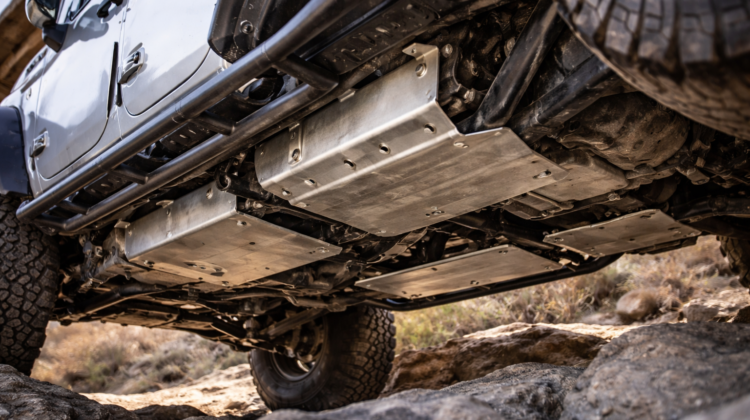
Jeep Underbody Protection Options: What Every Off-Road Owner Should Know
When you take a Jeep off the pavement, the first parts to meet rocks, ruts, and debris are not the bumpers or tires — it’s the undercarriage. Understanding Jeep underbody protection options is essential if you plan to trail ride, overland, or even navigate rough rural roads without risking expensive damage.
From fuel tanks to transfer cases, a Jeep’s vital components sit exposed beneath the frame. The right protection setup can mean the difference between finishing a trail or calling for a tow.
Why Underbody Protection Matters on a Jeep
Unlike many crossovers or street SUVs, Jeep vehicles — especially the Jeep Wrangler — are designed for articulation and clearance. That design exposes:
- Oil pan
- Transmission pan
- Transfer case
- Fuel tank
- Steering components
- Exhaust routing
Even moderate trails can cause impact in these areas. Proper skid plating and armor absorb that punishment instead of your drivetrain.
Main Jeep Underbody Protection Options
There isn’t a one-size-fits-all solution. The right setup depends on how aggressively you off-road.
1. Skid Plates (The Foundation)
Skid plates are the most common and essential protection.
They typically cover:
- Engine oil pan
- Transmission
- Transfer case
- Fuel tank
Material choices:
| Material | Pros | Cons |
|---|---|---|
| Steel | Extremely durable, affordable | Heavy, can rust |
| Aluminum | Lightweight, corrosion-resistant | More expensive, dents easier |
| UHMW plastic | Slides over rocks well, very light | Less impact resistance |
Tip: For frequent rock crawling, steel wins. For overlanding and trail riding, aluminum is often ideal.
2. Rock Sliders (Side Undercarriage Armor)
Rock sliders protect the rocker panels and lower door area when navigating tight obstacles. They also double as a step and pivot point when sliding across rocks.
Look for:
- Frame-mounted designs (not body mounted)
- DOM tubing or boxed steel construction
3. Control Arm & Steering Protection
These are often overlooked but vulnerable components:
- Front control arm skids
- Steering box skid
- Tie rod protection sleeves
If you’ve lifted your Jeep, these parts are more exposed than stock.
4. Fuel Tank Skid Upgrades
Factory skids are thin. Aftermarket upgrades provide:
- Thicker steel or aluminum
- Better coverage angles
- Reinforced mounting points
A punctured tank on a trail is a trip-ending failure.
5. Transmission & Transfer Case Crossmember Skids
Many Jeep owners upgrade this after scraping the factory crossmember repeatedly. Heavy-duty replacements improve both protection and structural rigidity.
How to Choose the Right Setup
Ask yourself:
- Do you mostly trail ride, overland, or rock crawl?
- Is your Jeep lifted?
- Are you adding larger tires?
- Do you drive in rocky terrain or forest trails?
General rule:
- Mild trails → engine, transfer case, fuel tank skids
- Moderate trails → add rock sliders and steering protection
- Rock crawling → full skid system + control arm + crossmember armor
Weight vs Protection: The Tradeoff
Armor adds weight. Too much steel can:
- Reduce fuel economy
- Change suspension dynamics
- Add stress to springs and shocks
Balance is key. Many experienced Jeep owners mix steel sliders with aluminum skid plates.
Installation: DIY or Shop?
Most skid plates are bolt-on using factory holes. However:
- Rusted bolts can complicate installs
- Some crossmember upgrades require support jacks
- Heavier steel skids often need two people
If you’re comfortable with basic tools, this is a weekend project.
Common Mistakes Jeep Owners Make
- Installing lift kits before armor
- Ignoring steering component exposure
- Assuming factory skids are “good enough”
- Forgetting to retorque bolts after first trail ride
Pairing Protection with Smart Storage
Many owners interested in Jeep underbody protection options are also building their vehicle for overlanding. That means managing gear weight intelligently.
A good strategy is combining underbody armor with efficient interior storage so you’re not overloading the Jeep unnecessarily. Keeping recovery gear, tools, and supplies organized reduces shifting weight and trail risk.
Is Underbody Armor Worth It?
A single impact to a transfer case or oil pan can cost thousands. A full skid system often costs less than one major repair.
For anyone serious about off-road use, underbody protection is not an accessory — it’s insurance.
Finding the Right Jeep for Your Build
If you’re planning a dedicated trail or overland build, starting with the right platform matters. Browsing quality listings of jeeps for sale can help you find a Wrangler or other model already suited for modifications:
👉 https://www.jeepsforsale.autos/jeep-for-sale/
Final Thoughts
Understanding Jeep underbody protection options allows you to build intelligently instead of reactively. Protect first, modify second. When your Jeep’s vulnerable components are shielded, you can focus on the trail ahead — not what’s scraping underneath.
