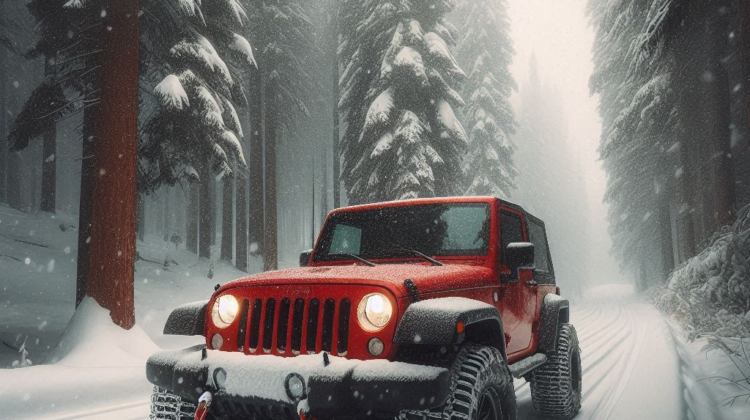
How to Winterize a Jeep: Essential Tips for Cold Weather Prep
With winter fast approaching, it’s time to make sure your Jeep is ready to face the cold, snowy roads and icy trails. Whether you’re an off-road enthusiast or just want to keep your daily driver in top condition, winterizing your Jeep ensures you get the best performance and safety during winter. In this guide, we’ll cover everything you need to know about preparing your Jeep for winter, plus some insider tips on Jeeps for sale with great winter handling.
Why Winterizing Your Jeep Matters
Jeeps are built for rugged conditions, but winter weather presents unique challenges like snow, salt, and freezing temperatures that can impact your Jeep’s performance and durability. Proper winterization will:
- Protect your engine and exterior from extreme temperatures.
- Improve handling and safety on icy roads.
- Extend your Jeep’s lifespan, saving money on costly repairs.
Let’s dive into how you can winterize your Jeep effectively, keeping you warm and safe on the road.
Step-by-Step Winterization Tips for Your Jeep
1. Inspect and Change Fluids
Cold weather affects the viscosity of engine fluids, making it harder for your Jeep to start and run smoothly. Here’s what to check:
- Engine Oil: Consider switching to a thinner, winter-grade oil to keep the engine lubricated.
- Coolant: Check the coolant level and antifreeze mixture. A 50/50 blend of antifreeze and water is ideal for winter.
- Transmission Fluid: A healthy transmission fluid level is essential for smooth shifting, especially in the cold.
Pro Tip: Consider a synthetic oil if you haven’t already. It flows more easily in low temperatures, providing better startup protection.
2. Test the Battery
Cold weather strains your Jeep’s battery, and the last thing you want is to be stranded with a dead battery in freezing temperatures.
- Battery Health: Use a multimeter to check the battery’s voltage. Anything below 12.4 volts might mean it’s time for a replacement.
- Battery Terminals: Ensure they’re clean and free of corrosion. Apply a battery terminal protector to prevent rust.
3. Install Winter Tires
All-season tires are great for mild climates, but for snowy or icy roads, winter tires are essential. They provide better grip and handling, keeping you safer on slippery surfaces.
- Check Tread Depth: Make sure your winter tires have a good tread depth (6/32 inch or more).
- Consider Chains: For extreme conditions, snow chains can be added to your winter tires for extra grip.
Did You Know? Many Jeeps for sale come equipped with all-terrain or winter-rated tires. This can be a bonus if you’re looking to buy a Jeep specifically for winter use.
4. Upgrade Your Wiper Blades and Washer Fluid
Visibility is crucial in winter, so upgrading to heavy-duty, winter wiper blades can make a big difference.
- Winter Wiper Blades: These are designed to prevent snow and ice buildup.
- Winter Washer Fluid: Standard washer fluid can freeze in cold temperatures. Use a fluid rated for subzero temperatures to keep your windshield clear.
5. Lubricate Door Locks and Hinges
Cold weather can cause door locks and hinges to freeze, making it hard to get into your Jeep.
- Lock Lubricant: Spray a silicone-based lubricant into the door locks to prevent them from freezing.
- Door Seals: Applying a rubber seal conditioner on door seals will keep them flexible and prevent freezing.
6. Prepare an Emergency Kit
An emergency kit is essential for winter driving. Pack these essentials to ensure you’re prepared:
- Jumper Cables
- Snow Shovel
- Tire Chains
- Flashlight with Extra Batteries
- Blanket and Warm Clothes
- Non-Perishable Snacks and Water
Winter-Ready Jeep Models: Jeeps for Sale That Shine in Snow
If you’re considering a Jeep for sale that’s already suited for winter, look for models like the Jeep Wrangler Rubicon or Grand Cherokee. These models often come with features like:
- Four-Wheel Drive (4WD): Essential for traction on slippery roads.
- All-Terrain Tires: Found on many models and perfect for icy conditions.
- Off-Road Capabilities: Models with off-road packages often include skid plates, enhanced suspension, and more.
For instance, the 2018 Jeep Wrangler Rubicon Unlimited offers robust off-road features that make it a strong choice for winter driving. Or, if you’re after a classic, rugged winter warrior, consider the 1984 Jeep CJ7 V8.
Quick Winterization Checklist
- Change to winter-grade oil
- Top up antifreeze
- Test and charge battery
- Switch to winter tires
- Upgrade wipers and washer fluid
- Lubricate locks and hinges
- Pack an emergency kit
By following these steps, your Jeep will be fully prepped to handle whatever winter throws at it. Don’t forget to stay on top of routine maintenance, as it can prevent many winter-related issues from cropping up.
