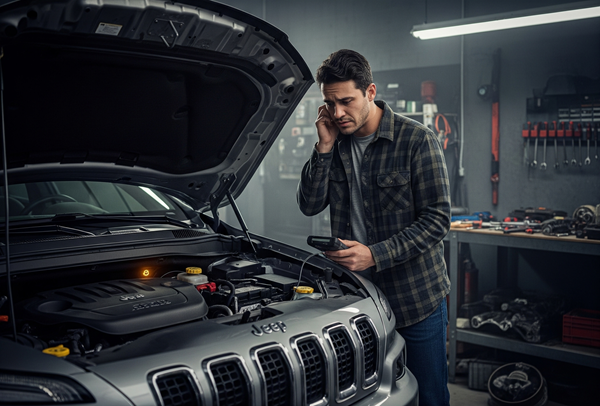
How to Troubleshoot a Jeep Cherokee Engine Light
If you drive a Jeep Cherokee, chances are you’ve glanced down one day and noticed that dreaded orange glow—the check engine light. It can spark anything from mild annoyance to full-blown panic. Don’t worry. In most cases, the fix is simpler than you think. Let’s break down the common reasons your Jeep Cherokee engine light comes on and how you can troubleshoot it like a pro.
What the Engine Light Really Means
The check engine light isn’t just a random warning. It’s your Cherokee’s onboard diagnostic system (OBD-II) flagging a problem. This could be something minor like a loose gas cap—or something more serious that requires immediate attention.
Think of it as your Jeep’s way of saying, “Hey, something isn’t quite right here. Take a look before it gets worse.”
Step 1: Start with the Basics
Before rushing to the mechanic, check these simple issues:
- Loose or damaged gas cap – Believe it or not, this is one of the most common triggers. A poor seal messes with the fuel system pressure.
- Low fuel quality – Bad or contaminated gas can cause misfires and warning lights.
- Battery connections – Corroded or loose terminals can confuse your Jeep’s computer.
If tightening the gas cap or cleaning your battery posts solves the issue, you’ve just saved yourself a trip to the shop.
Step 2: Use an OBD-II Scanner
For deeper troubleshooting, plug in an OBD-II code reader. These inexpensive tools give you error codes that point directly to the source. For example:
- P0300 – Random cylinder misfire
- P0420 – Catalytic converter efficiency below threshold
- P0440 – Evaporative emission system malfunction
Once you’ve got the code, you can either attempt a DIY fix or take it to a trusted mechanic armed with knowledge.
Step 3: Common Culprits Behind a Jeep Cherokee Engine Light
- Faulty oxygen sensor – A bad O2 sensor can tank your gas mileage.
- Catalytic converter issues – More serious, but usually signaled by sluggish performance.
- Ignition coil or spark plug failure – Rough idle, stalling, or misfires often point here.
- Vacuum leaks – Hissing noises or high RPMs can indicate a cracked hose.
Each of these problems ranges from quick fixes to bigger repairs, but catching them early usually prevents wallet-draining costs.
Step 4: Don’t Ignore It
While some Jeep owners shrug off the light if the vehicle still “feels fine,” ignoring it can be costly. Even minor issues like a failing sensor can spiral into bigger problems if left unchecked.
A Final Word for Jeep Enthusiasts
Troubleshooting a Jeep Cherokee engine light doesn’t have to be intimidating. By starting with the basics, scanning for error codes, and understanding the most common culprits, you’ll be better prepared to handle the issue without unnecessary stress.
And if you’re the type who loves fixing up and flipping Jeeps—or maybe you’re ready to upgrade—keep an eye on the growing market of Jeeps for sale. Sometimes, finding a new (or classic) model to wrench on is just as rewarding as solving that engine light mystery.
Key Takeaways
- Always check the simple stuff first: gas cap, battery, fuel quality.
- Use an OBD-II scanner to read error codes.
- Address common issues like O2 sensors, spark plugs, and vacuum leaks.
- Don’t procrastinate—engine lights are warnings, not suggestions.
