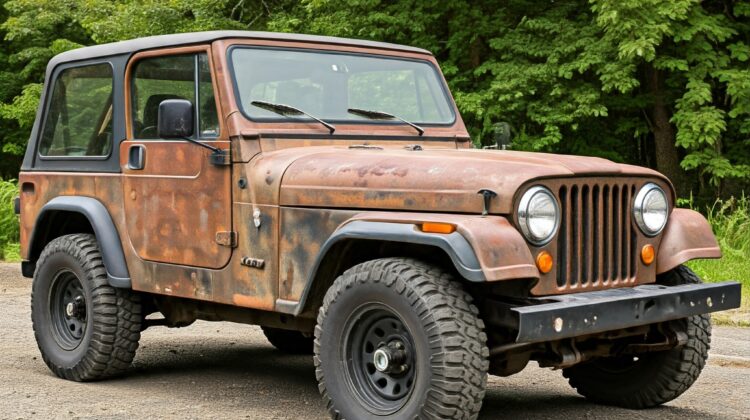
How to Spot Jeep Rust Issues: A Buyer’s Guide 🚙✨
Jeep enthusiasts know that a Jeep is more than just a vehicle; it’s an adventure on wheels. Whether you’re planning to buy a classic Jeep CJ or a modern Jeep Wrangler, rust is one of the biggest concerns you’ll face. Rust doesn’t just affect a Jeep’s appearance; it can compromise its structural integrity and performance. Here’s a detailed guide on how to spot rust issues when shopping for a Jeep.
Why Rust Matters in Jeeps
Rust is a Jeep’s kryptonite, especially for those that have braved off-road trails, snowy climates, or salty coastal regions. Common rust spots in Jeeps can lead to costly repairs or safety hazards. Knowing where to look can save you thousands of dollars and a lot of heartache.
Common Areas Where Jeeps Rust
When inspecting a Jeep for rust, these areas should be your first stop:
1. Frame and Undercarriage
• What to Check: Crawl underneath the Jeep and inspect the frame for rust holes or heavy corrosion.
• Why It’s Important: The frame is the backbone of the vehicle. Structural rust here is a dealbreaker unless you’re prepared for significant repairs.
• Pro Tip: Tap the frame with a small hammer. A hollow sound may indicate rust damage hiding under paint or coatings.
2. Wheel Wells
• What to Check: Look inside the front and rear wheel wells for flaking metal or bubbling paint.
• Why It’s Important: Wheel wells are exposed to dirt, water, and road salt, making them prime rust zones.
3. Rocker Panels and Doors
• What to Check: Open all the doors and inspect the bottoms. Also, check the rocker panels (the area beneath the doors).
• Why It’s Important: Rust here can spread to the body and compromise the vehicle’s aesthetic and structural integrity.
4. Floor Pans
• What to Check: Lift up the carpets (if possible) to inspect the floorboards.
• Why It’s Important: Water can accumulate in the cabin, leading to rust from the inside out.
5. Tailgate and Hinges
• What to Check: Inspect the tailgate edges and hinges for rust.
• Why It’s Important: A rusty tailgate can sag or even detach over time.
How to Spot Hidden Rust
Sometimes, rust isn’t immediately visible. Here are some tricks to uncover hidden rust issues:
• Feel for Soft Spots: Gently press on suspect areas. Soft spots often mean rust has weakened the metal.
• Look for Bubbling Paint: Bubbling is a sign that rust is forming underneath.
• Check for Fresh Undercoating: While undercoating can be a good sign of care, fresh applications may hide rust. Ask the seller when it was applied.
How Rust Affects Value
A rusty Jeep will have a lower resale value, especially if the rust affects critical areas like the frame. If you’re looking for Jeeps for sale, ensure the seller is upfront about rust issues. On JeepsForSale.Autos, we carefully detail the condition of every Jeep, so buyers know what they’re getting. For example:
• 1984 Jeep CJ7 V8: Rust-free and ready for adventure.
• 1978 Jeep CJ7: Minor surface rust, meticulously documented.
How to Prevent Rust in Jeeps
If you’re buying a Jeep or already own one, taking proactive steps can prevent rust from becoming a problem:
• Wash Frequently: Especially after off-roading or driving on salted roads.
• Apply Protective Coatings: Use rust inhibitors or undercoating sprays.
• Store Indoors: Keep your Jeep in a garage when possible.
Final Thoughts
When buying a Jeep, rust inspection should be a top priority. Whether you’re restoring a classic or purchasing a modern off-road beast, knowing where and how to check for rust will save you from unpleasant surprises.
If you’re ready to buy, browse our carefully inspected inventory of Jeeps for Sale. Adventure awaits—but make sure rust isn’t along for the ride!
Do you have a rust-inspection story or tips to share? Drop them in the comments below! 🌟
