How to Change Jeep Brake Pads (A Step-by-Step Guide)
If you own a Jeep, chances are you love the freedom it gives you—whether that’s tackling rugged trails, commuting to work, or heading out on a weekend overlanding adventure. But even the toughest Jeep needs regular maintenance, and one of the most important tasks you’ll face is replacing the brake pads. Don’t worry, though—it’s not as intimidating as it sounds.
In this guide, we’ll walk you through how to change Jeep brake pads safely and effectively, with tips that’ll keep your ride performing at its best. Plus, we’ll share a few insights for those dreaming of their next upgrade (yes, we’re talking about Jeeps for sale).
Why Brake Pads Matter on a Jeep
Your brake pads are more than just a maintenance checklist item—they’re the lifeline between you and safety. Whether you’re descending a rocky slope on an overland route or braking suddenly on the highway, worn-out pads can mean the difference between a smooth stop and a dangerous situation.
Some signs your Jeep might need new brake pads include:
- A squealing or grinding noise when braking
- Reduced braking performance
- Vibration when pressing the brake pedal
- Brake warning light on the dashboard
If you notice any of these, it’s time to roll up your sleeves.
Tools You’ll Need
Before starting, gather the right tools. Nothing ruins a DIY project faster than missing equipment.
- Jack and jack stands
- Lug wrench
- Socket set and ratchet
- C-clamp or brake caliper tool
- New brake pads (specific to your Jeep model)
- Brake cleaner
- Gloves and safety glasses
Step-by-Step: Changing Jeep Brake Pads
Follow these steps carefully, and you’ll be back on the road—or trail—in no time.
- Loosen the Lug Nuts
Before raising your Jeep, loosen the lug nuts on the wheels where you’ll be working. Don’t remove them yet. - Lift and Secure the Jeep
Use a jack to lift the vehicle and place jack stands under solid points of the frame. Safety first—never rely solely on the jack. - Remove the Wheel
Fully unscrew the lug nuts and set the wheel aside. - Access the Brake Caliper
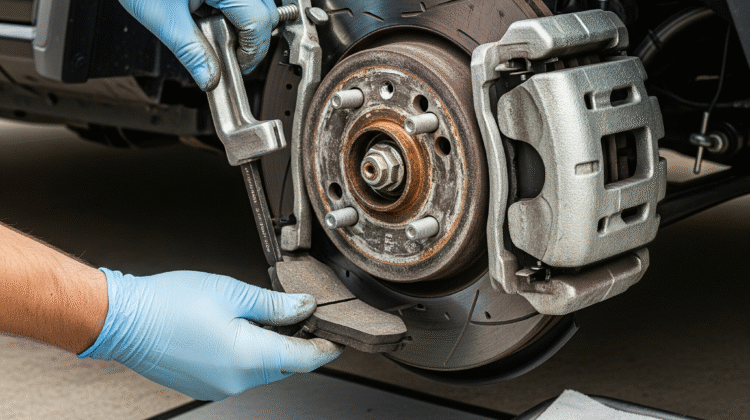
Locate the caliper (it’s the part hugging your rotor). Use the socket and ratchet to remove the bolts holding it in place. Carefully slide it off and rest it on a secure surface—don’t let it dangle by the brake hose. - Remove Old Brake Pads
The pads sit inside the caliper bracket. Slide them out. If they’re stuck, a gentle tap will help. - Compress the Caliper Piston
Use a C-clamp to push the piston back into the caliper. This creates room for the new, thicker pads. - Install the New Pads
Slide the new pads into the caliper bracket. Make sure they’re snug and aligned properly. - Reattach the Caliper
Position the caliper back over the rotor and tighten the bolts. - Reinstall the Wheel
Put the wheel back on, hand-tighten the lug nuts, then lower the Jeep and fully tighten them in a star pattern. - Test Your Brakes
Pump the brake pedal several times to seat the new pads. Take a slow test drive to ensure everything feels right.
Extra Tips for Jeep Owners
- Always replace brake pads on both sides of the axle to keep braking balanced.
- Clean your rotors with brake cleaner before installing new pads.
- If you hear persistent noise after replacement, inspect the pads and hardware for proper fit.
Thinking Beyond Maintenance
For many Jeep enthusiasts, DIY maintenance isn’t just about saving money—it’s about connection. When you turn the wrench yourself, you know exactly what your Jeep is capable of.
And while you’re keeping your rig in top shape, maybe you’re already thinking about your next adventure—or even your next Jeep. If so, keep an eye on Jeeps for sale. The market is full of options, from rugged Wranglers built for trails to luxurious Grand Cherokees that blend comfort with capability.
Final Thoughts
Learning how to change Jeep brake pads is a skill every Jeep owner should have in their toolkit. Not only does it save you money, but it also builds confidence when you’re far from a mechanic—like on that remote overlanding trail you’ve been dreaming about.
Take care of your brakes, and they’ll take care of you. And if your current ride is getting old, maybe it’s time to check out some fresh Jeeps for sale before planning that next adventure.
