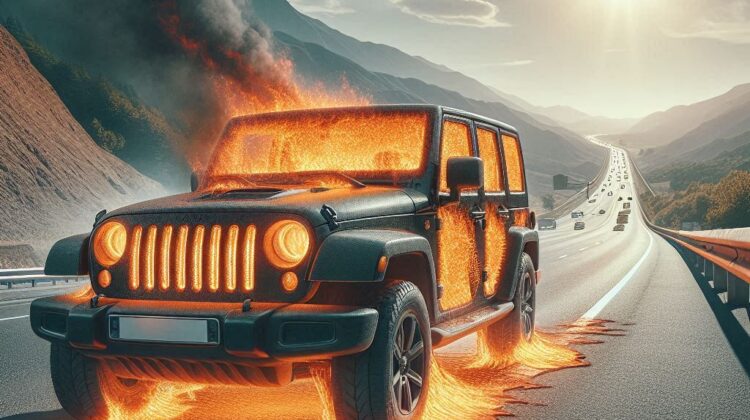
Common Jeep Overheating Issues and Solutions
When your Jeep is your adventure companion, the last thing you want is to be sidelined by overheating problems. Whether you’re navigating rocky trails or cruising the highway, understanding the root causes of overheating and knowing how to address them can keep you on the move.
In this guide, we’ll dive into the common Jeep overheating issues and offer practical solutions to get you back on the road—or off it!
🚗 Why Do Jeeps Overheat?
Jeeps are built tough, but even the most rugged vehicles can face overheating issues. Here are some common culprits:
1. Low Coolant Levels
Coolant is essential for regulating your engine’s temperature. A leak in the radiator, hoses, or even the coolant reservoir can cause your levels to drop, leading to overheating.
2. Faulty Thermostat
The thermostat controls the flow of coolant through your engine. If it’s stuck closed, coolant won’t circulate properly, causing your engine to overheat quickly.
3. Clogged Radiator
Dirt, debris, or corrosion can block the radiator, preventing efficient heat dissipation. This is especially common for Jeeps that regularly hit muddy trails.
4. Malfunctioning Water Pump
The water pump ensures that coolant flows through the engine. If it fails, the coolant becomes stagnant, and overheating is inevitable.
5. Worn-Out Cooling Fan
Electric cooling fans or clutch fans are vital for keeping air flowing through the radiator. If your fan isn’t spinning at the right speed or is completely non-functional, your Jeep will struggle to stay cool.
🔧 How to Fix Overheating in Your Jeep
Ready to tackle these issues? Here are some solutions tailored for Jeep owners:
1. Check and Refill Coolant
- Inspect the coolant reservoir and radiator for leaks.
- Refill with the correct coolant blend for your Jeep model.
- Use a coolant tester to ensure it’s at the proper mix ratio for extreme weather conditions.
2. Inspect and Replace the Thermostat
- If your Jeep overheats rapidly after starting, a stuck thermostat could be to blame.
- Replace it with a high-quality thermostat compatible with your model.
3. Clean or Replace the Radiator
- Use a radiator flush to clear out debris and deposits.
- If flushing doesn’t resolve the issue, consider replacing the radiator.
4. Repair or Replace the Water Pump
- Listen for a squealing noise or check for coolant leaks around the pump.
- Replace it with an OEM or high-performance water pump to ensure longevity.
5. Upgrade Your Cooling Fan
- For off-road enthusiasts, upgrading to an electric fan with higher airflow can significantly improve cooling.
- Inspect wiring and fan clutches regularly for wear and tear.
💡 Pro Tips to Prevent Overheating
- Regular Maintenance: Stick to your Jeep’s service schedule to catch potential issues early.
- Aftermarket Upgrades: Consider investing in aluminum radiators or heavy-duty cooling systems if you frequently off-road.
- Monitor Temperature Gauges: Pay attention to your dashboard—it’s your first line of defense against overheating.
🛒 Find the Perfect Jeep for Your Adventures
Are you in the market for a Jeep that’s ready to tackle rugged trails or urban streets? Check out our Jeeps for Sale to find your dream ride. From iconic Jeep Wranglers to versatile Jeep Grand Cherokees, we have a wide selection of vehicles perfect for any adventure.
Conclusion
Overheating can be a headache, but with proper knowledge and maintenance, it’s a problem you can prevent or quickly address. Whether you’re driving an old-school Jeep CJ or a modern Wrangler, staying ahead of these common issues ensures your Jeep is always ready to roll.
So, keep your coolant topped off, watch those gauges, and remember—every Jeep deserves some TLC. If you’re looking to upgrade, don’t forget to explore our Jeeps for Sale for reliable options to hit the road with confidence.
Happy Jeeping!
