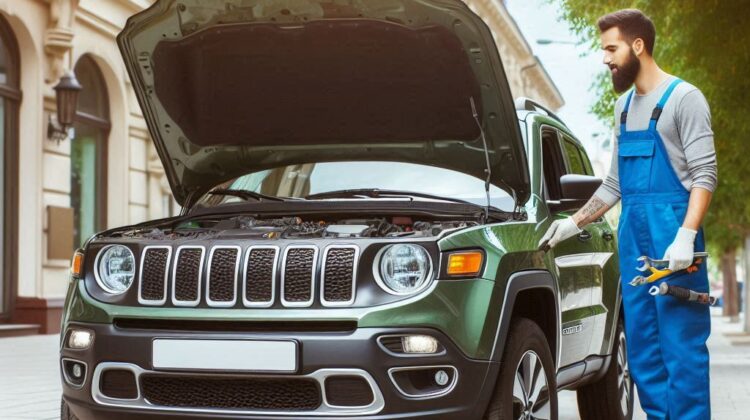
Common Issues with the Jeep Grand Cherokee: What Every Owner Should Know 🚗🔧
The Jeep Grand Cherokee has long been a favorite among off-road enthusiasts and SUV lovers alike. With its rugged build, powerful engine options, and iconic design, it’s no wonder that the Grand Cherokee remains a top choice for adventurers. However, like any vehicle, it’s not without its issues. In this post, we’ll explore common problems with the Jeep Grand Cherokee and provide tips on how to handle them, ensuring your Jeep remains in top condition.
1. Transmission Problems
One of the most frequently reported issues with the Grand Cherokee is transmission-related. Owners often experience:
- Rough shifting between gears, especially in older models.
- Transmission overheating, particularly during extended off-road use.
- Delayed gear engagement or sudden slipping out of gear.
💡 Solution: Regularly checking transmission fluid levels, ensuring you use the recommended type, and scheduling timely maintenance can prevent these problems. If you’re looking for a Jeep Grand Cherokee that’s free from transmission issues, explore Jeeps for sale on our website.
2. Electronic Malfunctions
Modern Jeep Grand Cherokees come equipped with advanced electronics, but these systems can sometimes malfunction. Some common electronic issues include:
- Infotainment system glitches – The Uconnect system may freeze or reboot unexpectedly.
- Sensor failures – Faulty ABS, parking assist, or airbag sensors can cause warning lights to illuminate.
- Electrical short circuits – This can lead to various malfunctions, such as unresponsive power windows or erratic lighting.
💡 Solution: Keep the software updated and, if you encounter persistent issues, have a certified Jeep technician perform a diagnostic test to pinpoint the root cause.
3. Engine Stalling or Failure
Many Jeep Grand Cherokee owners have reported engine stalling, particularly in models equipped with the 3.6L V6 engine. Symptoms include:
- Random stalling at stoplights or low speeds.
- Loss of power when accelerating.
- Check engine light activation without a clear cause.
💡 Solution: Check for any engine control unit (ECU) software updates, which Jeep frequently releases to address these issues. Replacing faulty sensors or addressing fuel system problems may also resolve stalling concerns.
4. Suspension and Steering Issues
The Jeep Grand Cherokee is built for off-roading, but the suspension system can sometimes wear out prematurely due to heavy usage. Common suspension issues include:
- Uneven tire wear due to misaligned suspension.
- Noisy steering or clunking sounds when navigating uneven terrain.
- Excessive body roll while cornering or off-roading.
💡 Solution: Regular inspections of the suspension components and timely replacement of worn-out parts are essential. For those looking to buy a Jeep Grand Cherokee with a solid suspension, check our listings for well-maintained Jeeps for sale.
5. Air Suspension Problems
For Grand Cherokees equipped with Quadra-Lift air suspension, problems can arise in the form of:
- System leaks, leading to uneven vehicle height.
- Compressor failures, causing the vehicle to sit lower than normal.
- Warning lights indicating suspension issues.
💡 Solution: Routine checks for leaks and ensuring the compressor is functioning correctly can prevent costly repairs. If you’re concerned about air suspension issues, consider opting for models without the Quadra-Lift system.
6. Faulty Fuel Pump Relay
The fuel pump relay issue is one that many Jeep Grand Cherokee owners know all too well. Symptoms include:
- Difficulty starting or a complete failure to start.
- Intermittent stalling while driving.
- Fuel delivery problems, leading to poor performance.
💡 Solution: Jeep has issued recalls in the past to address fuel pump relay issues. Check if your vehicle is affected by any recalls and have the relay replaced promptly.
7. Brake System Wear and Tear
Due to the Grand Cherokee’s weight and off-road capabilities, its brake system can experience faster-than-usual wear. Symptoms include:
- Brake pedal vibrations when applied.
- Squeaking or grinding noises due to worn brake pads or rotors.
- Increased stopping distance and reduced braking efficiency.
💡 Solution: Using high-quality brake pads and rotors, along with regular inspections, can extend the lifespan of your braking system.
Final Thoughts
While the Jeep Grand Cherokee has its quirks, it remains a versatile and powerful SUV, perfect for both daily driving and tackling tough terrains. Being aware of these common issues and maintaining your vehicle properly will help you get the most out of your Jeep. If you’re in the market for a well-maintained Grand Cherokee or any other Jeep model, explore our selection of Jeeps for sale to find your perfect match.
👉 Have you experienced any of these issues with your Jeep Grand Cherokee? Share your thoughts in the comments below! 💬
📣 Looking to Buy a Jeep Grand Cherokee?
We’ve got a range of Jeeps for sale that are thoroughly inspected and ready for the road. Check out our latest listings today to find a Jeep that suits your needs. Whether you’re after a brand-new model or a pre-owned gem, we’ve got you covered! 💥
