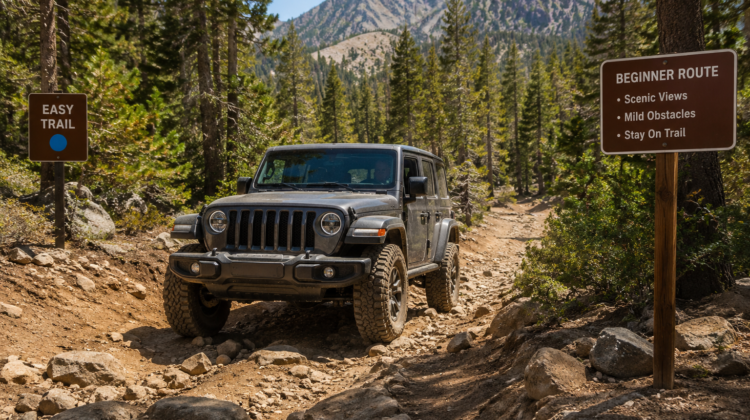
Beginner Off Roading with a Jeep: A Practical Guide for First-Time Trail Drivers
Few vehicles are as closely associated with adventure as a Jeep. Whether you’re driving a Wrangler, Gladiator, or another capable model, hitting the trails for the first time can be both exciting and intimidating. If you’re interested in Beginner off roading with a Jeep, understanding the basics before leaving the pavement can make your experience safer, more enjoyable, and far less stressful.
This guide covers everything new off-road enthusiasts need to know, from choosing the right trails to preparing your vehicle and building confidence behind the wheel.
Why Jeeps Are Ideal for Beginner Off Roading
Jeep vehicles have earned a reputation for handling rough terrain thanks to features such as:
- High ground clearance
- Four-wheel-drive capability
- Durable suspension systems
- Excellent approach and departure angles
- Extensive aftermarket support
For beginners, these advantages provide an extra margin of safety while learning essential off-road driving skills.
If you’re still searching for the right vehicle, browse available Jeeps for sale to find models designed for trail adventures.
Choosing the Right Trail for Your Skill Level
One of the biggest mistakes newcomers make is attempting trails that exceed their experience level.
When starting out, look for:
- Well-marked beginner trails
- Forest service roads
- Gravel roads with mild obstacles
- Designated off-road parks with easy-rated routes
Avoid:
- Deep mud pits
- Extreme rock crawling trails
- Water crossings with unknown depths
- Highly technical mountain routes
Remember: the goal of Beginner off roading with a Jeep is to build confidence gradually, not to tackle the toughest trail on your first trip.
Essential Vehicle Checks Before Heading Off Road
Before venturing onto any trail, perform a quick inspection.
Check the Following:
- Tire condition and tread depth
- Tire pressure
- Engine fluids
- Battery connections
- Recovery points
- Lights and signals
- Spare tire condition
Many experienced off-roaders also reduce tire pressure slightly to improve traction. However, beginners should research recommended pressure ranges for their specific Jeep model before making adjustments.
Basic Off-Road Driving Techniques
Learning proper technique is more important than purchasing expensive modifications.
Drive Slowly
Off-road driving is rarely about speed.
A slow, controlled pace allows you to:
- Avoid vehicle damage
- Maintain traction
- Spot obstacles early
- React to changing terrain
Look Ahead
Focus on the trail 20–30 feet ahead rather than directly in front of your Jeep. This gives you more time to choose the best line through obstacles.
Use Four-Wheel Drive Properly
Many new drivers leave four-wheel drive engaged unnecessarily.
Generally:
- Use 4H for dirt roads, sand, snow, and loose terrain.
- Use 4L for steep climbs, descents, rocks, and difficult obstacles.
Always consult your owner’s manual for vehicle-specific guidance.
Maintain Momentum
When crossing loose terrain such as sand or shallow mud, steady momentum is often your friend.
Avoid:
- Sudden acceleration
- Abrupt braking
- Sharp steering inputs
Smooth driving helps maintain traction and control.
Recovery Gear Every Beginner Should Carry
Even easy trails can present unexpected challenges.
Consider carrying:
- Recovery strap
- Tire pressure gauge
- Portable air compressor
- Basic tool kit
- Work gloves
- Flashlight
- First-aid kit
- Shovel
You don’t need a fully equipped expedition vehicle to begin off roading, but basic preparedness can prevent minor issues from becoming major problems.
Understanding Trail Etiquette
Off-roading is a community activity, and good trail manners matter.
Follow These Simple Rules:
- Stay on designated trails.
- Yield when appropriate.
- Pack out all trash.
- Respect wildlife and vegetation.
- Avoid unnecessary wheel spin.
- Help fellow drivers when safe to do so.
Responsible off-roading helps preserve trail access for everyone.
Common Beginner Mistakes to Avoid
Going Alone
Whenever possible, travel with another vehicle, especially during your first few trips.
Overestimating Vehicle Capability
A Jeep is highly capable, but every vehicle has limits. Know yours before tackling difficult obstacles.
Ignoring Weather Conditions
A trail that is easy on a dry day may become significantly more challenging after rain or snow.
Modifying Too Soon
Many beginners spend thousands on upgrades before learning basic driving techniques.
In reality, driver skill often matters more than modifications.
Recommended Jeep Upgrades for New Off-Roaders
Once you’ve gained some experience, consider these practical upgrades:
- All-terrain tires
- Rock sliders
- Recovery points
- Skid plates
- Portable air compressor
- Better lighting
These upgrades improve capability without dramatically changing vehicle behavior.
Safety Tips for Beginner Off Roading with a Jeep
Safety should always come first.
Before every trip:
- Share your route with someone.
- Check weather forecasts.
- Bring extra water and snacks.
- Charge communication devices.
- Carry paper maps when possible.
Remote trails often have limited cell service, making preparation essential.
Building Confidence on the Trail
The best way to improve is through consistent practice.
Start with simple trails and gradually increase difficulty as your skills improve. Pay attention to how your Jeep reacts to different terrain types and learn from experienced drivers whenever possible.
Many off-road clubs offer beginner-friendly events where newcomers can learn in a controlled environment.
Final Thoughts
Beginner off roading with a Jeep is one of the most rewarding ways to explore the outdoors. With proper preparation, realistic expectations, and a willingness to learn, even first-time drivers can enjoy memorable adventures safely.
Start small, focus on building skills, and let experience guide your progression. Before long, you’ll develop the confidence needed to tackle more challenging terrain while fully appreciating the capability that makes Jeep vehicles legendary among off-road enthusiasts.
