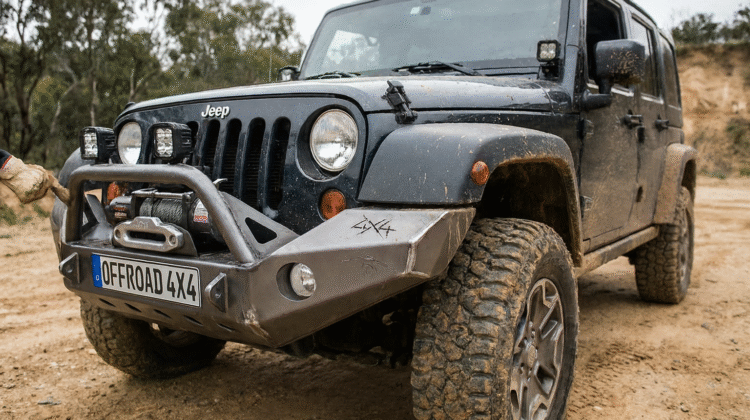
The Ultimate Guide to Off-Road Bumpers for the Jeep Wrangler
When a Jeep Wrangler heads off the pavement and into the unpredictable backcountry, every piece of equipment matters—but few upgrades change the vehicle’s personality and capability as dramatically as an off-road bumper. Whether you are crawling over boulders, powering through sand washes, or creeping along forest trails at dusk, the right bumper becomes both armor and toolkit.
Yet, what most buyers don’t realize is how deeply interconnected bumper design is with other major ownership concerns—strength, recovery, lighting, and even noise suppression inside the cabin. Yes, a bumper can influence the kinds of sounds your Wrangler absorbs and reflects. More on that later.
For shoppers combing through forums, aftermarket catalogs, or listings of jeeps for sale, this guide cuts through the noise and helps you understand the essential features that truly matter.
Why Off-Road Bumpers Matter More Than You Think
A factory bumper is designed for everyday driving, light trail work, and compliance with safety regulations. But off-roading demands more:
- Improved ground clearance
- Enhanced approach angles
- Stronger recovery mounting points
- Better protection against impacts
- Additional lighting or accessory mounts
Well-built off-road bumpers aren’t just “armor”—they’re strategic tools. Many Wrangler owners who wheel regularly consider them indispensable.
Types of Off-Road Bumpers for the Jeep Wrangler
Different drivers use their vehicles differently. Below are the most common bumper styles and why they matter.
1. Stubby Bumpers
Short and compact, stubby bumpers expose more of the front tires, improving approach angles and tire placement visibility.
Best for:
- Rock crawling
- Technical slow-speed terrain
- Drivers who appreciate a minimalist, aggressive look
2. Mid-Width Bumpers
A compromise between full-width and stubby, these provide protection without sacrificing clearance.
Best for:
- Weekend wheelers
- Mixed-terrain driving
3. Full-Width Bumpers
These resemble factory bumpers in length but add durability and functional upgrades.
Best for:
- Snow trails
- Mud environments
- Daily drivers who want added protection
4. Rear Off-Road Bumpers
Rear bumpers matter too. Many include tire-carrier systems, recovery points, and high-strength steel construction.
Best for:
- Overlanders traveling with heavy gear
- Wranglers running oversized tires
What to Look for When Choosing an Off-Road Bumper
1. Material Matters
Most off-road bumpers are either steel or aluminum.
- Steel is strong and ideal for recovery points but heavier.
- Aluminum is lighter and corrosion-resistant but not always as impact-ready.
2. Winch Compatibility
A good bumper should allow you to mount a winch directly to the frame. If it doesn’t, walk away.
3. Recovery Points
Look for:
- D-ring mounts
- Shackle mounts
- Tow-rated anchor points
If the mounts aren’t welded directly to the bumper structure, consider a different brand.
4. Lighting Mounts
Auxiliary lighting drastically improves trail visibility. Many bumpers integrate:
- Fog-light housings
- Light-bar mounts
- Cube-light pockets
5. Weight vs Performance
Heavier is not always better. Excess weight affects fuel efficiency, acceleration, and even cabin sound levels.
How Off-Road Bumpers Influence Jeep Noise Suppression
Surprisingly, off-road bumpers can impact how sound travels inside the Wrangler’s cabin. Steel surfaces, stinger bars, plate angles, and accessory mounts can create:
- Wind whistle at high speeds
- Vibration hum through the frame
- Sound reflection toward the cabin
To suppress the unwanted noise:
Noise Suppression Tips for Jeep Owners
- Install rubber isolators between the bumper and frame to reduce vibration transfer.
- Add sound-deadening mats on the firewall and floor pan.
- Choose bumpers with aerodynamic contours if you drive at highway speeds frequently.
- Check and tighten bolts regularly, as loose hardware can create rattles.
- Consider aluminum bumpers if weight-based vibration is an issue.
These practical steps can significantly reduce cabin rumble and road noise—even with aggressive off-road gear installed.
Top Brands to Consider
While the market is crowded, a few brands consistently earn praise from Wrangler enthusiasts:
- Smittybilt
- Barricade
- Fab Fours
- Warn
- LOD Offroad
- Artec Industries
- Poison Spyder
Each brand offers unique design philosophies. Some prioritize aesthetics, others strength, others modularity. Evaluate based on your driving style and build plan.
Installation: DIY or Professional?
You can DIY if:
- You have basic hand tools
- Your bumper is winch-ready and includes clear instructions
- You’re comfortable torqueing bolts to spec
Hire a pro if:
- The bumper includes welding
- You’re installing a heavy winch at the same time
- The bumper integrates complex electrical components
A poor installation can lead to premature rusting, rattling, and misalignment—all things that defeat the purpose of upgrading.
Final Thoughts: Choosing the Right Bumper for Your Wrangler
An off-road bumper is more than an aesthetic mod—it’s a safety upgrade, a trail asset, and a foundational piece of any serious Jeep build. Whether you’re browsing aftermarket catalogs, hunting through forums, or checking websites offering jeeps for sale, the right bumper decision can transform your Wrangler’s capability and confidence on the trail.
By considering build materials, mounting systems, recovery points, and even noise suppression characteristics, you equip your Jeep for whatever lies beyond the pavement.
