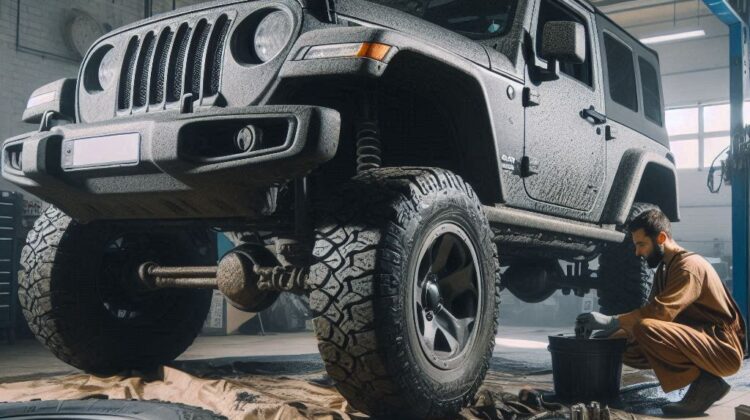
The Ultimate Guide to Jeep Wrangler Undercoating: Protect Your Ride from Rust and Wear
If you’re a proud owner of a Jeep Wrangler, you know it’s more than just a vehicle—it’s an adventure machine. Whether you’re hitting the rugged trails, cruising down the highway, or exploring hidden off-road paths, your Jeep Wrangler is your trusted companion. But have you ever thought about what’s happening beneath that rugged exterior? Undercoating your Jeep Wrangler is an essential step in protecting it from rust, corrosion, and general wear and tear. In this guide, we’ll delve into why undercoating is crucial, the different types available, and how to do it yourself.
Why Undercoating Your Jeep Wrangler Is Essential
Owning a Jeep Wrangler often means you’re not afraid to get a little dirty. Mud, water, snow, and salt are all part of the off-roading experience. However, these elements can wreak havoc on your vehicle’s undercarriage. Undercoating acts as a protective barrier, shielding your Jeep from:
- Rust and Corrosion: Moisture and road salt can lead to rust, compromising the structural integrity of your Jeep.
- Debris and Dirt: Rocks, sand, and other debris can chip away at the metal, leading to further damage.
- Noise Reduction: A good undercoating can also reduce road noise, making for a quieter ride.
Types of Undercoating for Jeep Wranglers
When it comes to undercoating, not all products are created equal. Here are some popular options:
- Rubberized Undercoating
- Pros: Excellent for absorbing noise and protecting against corrosion. It’s also easy to apply and dries quickly.
- Cons: Can trap moisture if not applied correctly.
- Asphalt-Based Undercoating
- Pros: Highly durable and offers great protection against moisture and road salt. Ideal for extreme off-road conditions.
- Cons: Heavier than other types and can make future repairs more difficult.
- Polyurethane Undercoating
- Pros: Resistant to corrosion and chemicals, offering excellent durability. It also provides a smooth finish.
- Cons: Requires professional application for best results.
- Wax-Based Undercoating
- Pros: Penetrates small cracks and crevices, providing comprehensive coverage.
- Cons: Needs reapplication every year for continued effectiveness.
DIY Undercoating: Step-by-Step Guide
Feeling handy? You can undercoat your Jeep Wrangler yourself! Here’s how:
Materials Needed
- Undercoating spray of your choice
- Wire brush and sandpaper
- Degreaser
- Protective gloves and eyewear
- Jack and jack stands
- Masking tape and plastic sheets
Steps
- Preparation
- Lift your Jeep using a jack and secure it with jack stands.
- Remove any existing rust using a wire brush and sandpaper.
- Clean the undercarriage with a degreaser and let it dry completely.
- Masking
- Use masking tape and plastic sheets to cover areas you don’t want to be coated, like the exhaust system and brake lines.
- Application
- Shake the undercoating can well and spray it evenly across the undercarriage.
- Apply multiple thin coats for the best coverage.
- Drying
- Allow the undercoating to dry as per the manufacturer’s instructions before driving.
Finding Jeep Wranglers for Sale with Quality Undercoating
If you’re in the market for a Jeep Wrangler, www.jeepsforsale.autos has a wide selection of models, many of which come with professionally applied undercoating. This added layer of protection can give you peace of mind, knowing your investment is protected from the elements. From classic models to the latest editions, you’re sure to find a Jeep that suits your style and needs.
Final Thoughts
Undercoating your Jeep Wrangler is a small investment that can pay off big time in the long run. It not only protects your vehicle from rust and corrosion but also helps maintain its resale value. Whether you choose to DIY or opt for a professional service, undercoating is a must for any Jeep enthusiast.
So, gear up, get undercoating, and keep your Jeep Wrangler adventure-ready for years to come!
