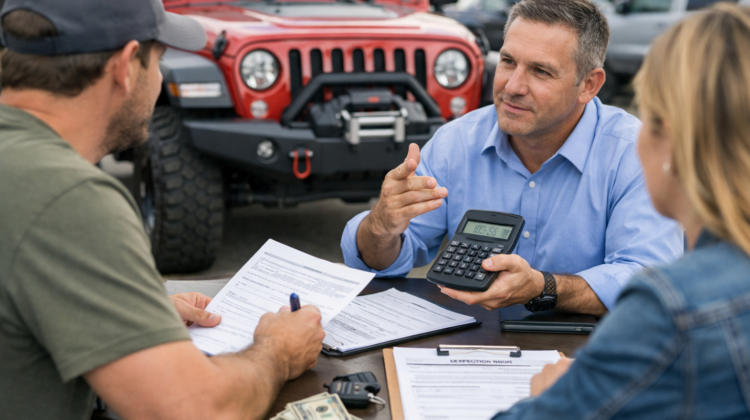
Jeep Negotiation Tips for Buyers: How to Get the Best Deal Without the Stress
Buying a Jeep isn’t just another vehicle purchase—it’s often the start of a lifestyle. Whether you’re eyeing a Wrangler for weekend trails or a Grand Cherokee for family adventures, knowing how to negotiate effectively can save you thousands of dollars.
This guide breaks down practical, field-tested jeep negotiation tips for buyers, while also helping you think ahead about ownership—like planning for upgrades, including popular jeep dog friendly accessories that make road trips even better.
Why Negotiation Matters When Buying a Jeep
Jeeps tend to hold their value well, particularly models like the Wrangler and Gladiator. That resale strength is great long-term—but it also means sellers are often firm on price.
The good news? There’s almost always room to negotiate—if you approach it strategically.
1. Do Your Market Research First
Before you step into a dealership or message a private seller, you need leverage. That leverage comes from data.
Research These Key Factors:
- Average market price in your region
- Mileage comparisons
- Trim level differences
- Accident history
- Aftermarket modifications
Browse active listings to compare pricing trends. If you’re actively searching, platforms like jeeps for sale allow you to filter by model, year, and price to establish a realistic baseline before negotiations begin.
Knowledge of the market is your strongest bargaining tool.
2. Separate Emotion From Strategy
It’s easy to get attached—especially when you find the exact color, lift kit, or wheel setup you’ve been dreaming about.
But remember:
The moment a seller senses emotional attachment, your negotiating power drops.
Stay calm, analytical, and prepared to walk away. There will always be another Jeep.
3. Use Inspection Findings as Negotiation Leverage
A pre-purchase inspection (PPI) is non-negotiable—especially for used Jeeps that may have seen trail time.
Common negotiation points:
- Worn suspension components
- Uneven tire wear
- Frame rust
- Oil leaks
- Soft top wear or hardtop seal issues
Each issue becomes a cost deduction conversation.
For example:
- “The tires will need replacing soon—that’s $1,200. Can we adjust the price accordingly?”
Be specific. Numbers win negotiations.
4. Understand Dealer Psychology
If buying from a dealership:
- Sales reps have monthly quotas.
- End-of-month purchases often create leverage.
- Rainy weekdays typically mean less foot traffic—more flexibility.
When negotiating:
- Focus on out-the-door price, not monthly payments.
- Avoid discussing trade-ins until price is finalized.
- Be cautious with add-ons and extended warranties.
5. Use Silence as a Negotiation Tool
After making an offer—stop talking.
Silence creates pressure. Sellers often fill the gap by:
- Lowering the price
- Offering extras
- Revealing flexibility
It’s surprisingly effective.
6. Factor in Future Ownership Costs
Smart buyers negotiate with long-term costs in mind.
Ask yourself:
- Will insurance be higher?
- Are replacement parts expensive?
- Does it need immediate upgrades?
Many Jeep owners plan modifications early, including lift kits, racks, and jeep dog friendly accessories like cargo liners or seat protectors for adventure-loving pets. If you know you’ll be investing in upgrades, use that as part of your negotiation reasoning:
“I’ll need to budget for interior upgrades and accessories—can we meet in the middle on price?”
It’s logical. It works.
7. Don’t Overvalue Aftermarket Mods
Sellers often try to recover full value on modifications:
- Lift kits
- Wheels and tires
- Light bars
- Bumpers
Reality check:
Mods rarely return dollar-for-dollar value.
In fact, some buyers prefer stock configurations.
If the Jeep includes additions you don’t need—politely state that they don’t increase value for you.
8. Know When to Walk Away
One of the most powerful jeep negotiation tips for buyers is simple:
Be willing to leave.
Walking away:
- Signals confidence
- Forces reconsideration
- Prevents overpaying
In many cases, sellers call back within 24–48 hours.
9. Leverage Timing to Your Advantage
Certain times favor buyers:
- End of the month
- End of the quarter
- End of the model year
- Late December
Dealers want to clear inventory before new shipments arrive. That pressure works in your favor.
10. Negotiate Beyond Price
If the seller won’t budge on price, negotiate value:
- Free oil changes
- Included roof racks
- Extra key fobs
- New tires
- Floor mats or cargo liners
For Jeep owners who travel with pets, accessories like rear cargo protectors or seat barriers (especially popular among those shopping for jeep dog friendly accessories) can sometimes be bundled into the deal.
Sometimes extras equal more than a minor price drop.
Quick Negotiation Checklist
Before finalizing your purchase:
- ✅ Reviewed market pricing
- ✅ Ran vehicle history report
- ✅ Conducted inspection
- ✅ Calculated ownership costs
- ✅ Set a walk-away number
- ✅ Negotiated out-the-door pricing
Final Thoughts
Negotiating doesn’t have to feel confrontational. The best deals happen when both sides feel respected and informed.
Approach the process with preparation, patience, and discipline. Whether you’re buying your first Wrangler or upgrading to something trail-ready for weekend adventures (and maybe even outfitting it with practical jeep dog friendly accessories for your four-legged copilot), the goal is simple:
Pay a fair price—and drive away confident you made the right decision.
Ready to start searching? Explore current listings of jeeps for sale and find the model that fits your budget and lifestyle before stepping into your next negotiation fully prepared.

Leave a Reply