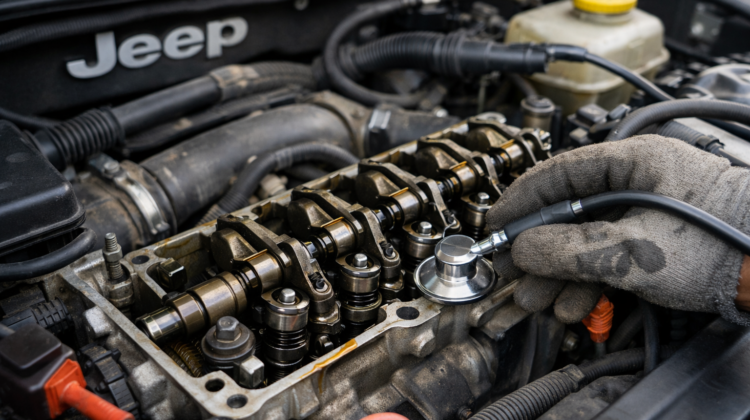
Jeep Lifter Tick Noise: Causes, Fixes, and What It Means for Your Engine
If you own a Jeep and have started hearing a persistent ticking sound from the engine, you’re not alone. Jeep lifter tick noise is a common concern among Jeep owners—especially in certain engine platforms. While the sound can be harmless in some cases, it can also signal deeper mechanical issues that shouldn’t be ignored.
This guide breaks down what lifter tick noise is, why it happens, how to fix it, and when it’s time to take action.
What Is Jeep Lifter Tick Noise?
Jeep lifter tick noise is a rhythmic tapping or ticking sound that usually comes from the top of the engine. It’s often most noticeable:
- During cold starts
- At idle
- Under light acceleration
- When oil is low or dirty
The noise is typically caused by hydraulic lifters that aren’t maintaining proper oil pressure or clearance.
Common Causes of Jeep Lifter Tick Noise
Several issues can lead to lifter tick in Jeep engines. The most frequent causes include:
1. Low or Dirty Engine Oil
Old or low oil is the most common cause of lifter noise.
- Dirty oil can clog lifters
- Low oil reduces hydraulic pressure
- Incorrect oil viscosity can worsen ticking
Quick check: Verify oil level and condition immediately.
2. Sludge Buildup in Lifters
Over time, oil sludge can block oil passages inside the lifter.
- Causes delayed lifter pressurization
- Common in high-mileage Jeeps
- More likely with extended oil change intervals
3. Worn or Collapsed Lifters
If a lifter is mechanically worn, it may no longer hold pressure.
Signs include:
- Persistent ticking even after warm-up
- Louder ticking under load
- Misfires in severe cases
This often requires lifter replacement, which can be labor-intensive.
4. Camshaft Lobe Wear
In more serious scenarios, the camshaft lobes may be damaged.
- Leads to irregular valve movement
- Can cause metal-on-metal noise
- Often accompanies metal shavings in oil
This is a major repair and should be addressed immediately.
Jeep Engines Commonly Affected
While lifter tick can occur in many engines, Jeep owners often report it in:
- 3.6L Pentastar V6
- 5.7L HEMI V8
- 3.8L V6 (older Wranglers)
- 4.7L V8
These engines are generally reliable, but lifter-related noise is a known issue in certain model years.
How to Fix Jeep Lifter Tick Noise
Here are practical steps to diagnose and potentially fix the issue:
Step-by-Step Troubleshooting
- Check oil level and condition
- Change oil and filter (use OEM-quality filter)
- Use correct oil viscosity per Jeep specs
- Try an engine oil flush (if sludge suspected)
- Add lifter-cleaning oil additive (temporary solution)
- Have a mechanic inspect lifters and camshaft
When a Simple Oil Change Fixes It
In many cases, a fresh oil change resolves Jeep lifter tick noise—especially if:
- The noise only occurs on cold starts
- The Jeep is overdue for service
- The oil is visibly dark or thick
When It’s a Bigger Problem
You should seek professional diagnosis if:
- Ticking continues after oil change
- Noise gets louder over time
- You notice reduced engine performance
- The check engine light comes on
Ignoring mechanical lifter failure can lead to camshaft damage, which dramatically increases repair costs.
Is It Safe to Drive with Lifter Tick?
Short answer: Sometimes — but don’t ignore it.
Light lifter tick caused by oil issues may not be immediately dangerous. However, persistent Jeep lifter tick noise can result in:
- Accelerated engine wear
- Valve train damage
- Loss of compression
- Expensive long-term repairs
Early diagnosis saves money.
Cost to Repair Jeep Lifter Tick Noise
Repair costs vary widely:
- Oil change & filter: $60 – $120
- Engine flush & additives: $100 – $200
- Lifter replacement: $800 – $2,500+
- Camshaft + lifters: $2,000 – $5,000+
Labor is the biggest factor, especially on V6 and V8 engines.
Buying a Jeep? Check for Lifter Noise First
If you’re shopping for a used Jeep, always:
- Start the engine cold
- Listen closely at idle
- Watch for delayed ticking
- Review maintenance records
A well-maintained Jeep can run for hundreds of thousands of miles — but neglected valve train issues can become costly.
If you’re exploring options, browse quality jeeps for sale from trusted sellers to find models with documented service history.
Final Thoughts
Jeep lifter tick noise isn’t something to panic over—but it’s also not something to ignore. In many cases, proper oil maintenance is all it takes. In others, it can be an early warning sign of deeper mechanical wear.
Staying proactive with oil changes, listening to your engine, and addressing noise early can extend the life of your Jeep and protect your investment.
