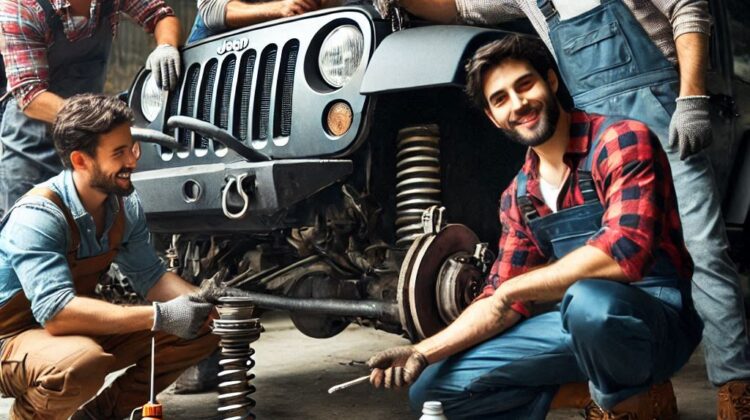
How to Fix Jeep Suspension Issues: A Complete Guide
Owning a Jeep is an exhilarating experience, especially when you’re out on the trails, conquering rugged terrains. However, over time, your Jeep’s suspension system may begin to show signs of wear and tear. Whether you’re tackling bumpy trails or cruising through the city, a well-maintained suspension system is essential for a smooth ride. In this article, we’ll dive into common Jeep suspension issues and how to fix them — so you can get back to the off-roading adventure you love.
Common Jeep Suspension Problems
Before we dive into the fix, it’s essential to recognize the symptoms of suspension issues. Here are a few common signs that something might be wrong with your Jeep’s suspension:
- Excessive bouncing or swaying while driving
- Uneven tire wear or tires wearing down quickly
- Pulling to one side while driving, especially when turning
- A rough, uncomfortable ride even on smooth roads
- Leaking shock absorbers or struts
- Noises like clunking or squeaking when driving over bumps
If you notice any of these symptoms, it could be time to fix your Jeep’s suspension.
Step-by-Step Guide: How to Fix Jeep Suspension Issues
1. Inspect the Suspension System
The first step in fixing suspension problems is to inspect the components of your Jeep’s suspension system. Here are some key areas to check:
- Shocks & Struts: These are the most common culprits when suspension issues arise. Check for leaks or visible signs of wear. If you find any, they may need replacing.
- Springs: Worn or broken springs can lead to a rough ride and poor handling. Look for any sagging or broken coils.
- Ball Joints & Control Arms: These parts help with steering and suspension alignment. If they’re loose or damaged, they can affect your Jeep’s handling.
- Bushings: Worn out bushings can cause a variety of suspension problems. Inspect them for cracks or excessive wear.
2. Test the Shocks and Struts
One of the simplest ways to check if your Jeep’s shocks or struts need attention is by doing the bounce test. Here’s how:
- Press down on the front or rear bumper of your Jeep.
- Release quickly.
- If the vehicle bounces more than once or twice, it’s a sign that your shocks or struts may be worn out.
If you find your shocks or struts need replacing, it’s crucial to choose the right ones for your Jeep. Whether you’re driving a Jeep Wrangler, Grand Cherokee, or Cherokee, there are different options based on your Jeep’s model and how you use it (daily driving vs. off-roading).
3. Replace Worn Out Bushings
Suspension bushings help cushion the movement of various suspension components. Over time, they can deteriorate, leading to noise, vibrations, and poor handling.
- Signs of worn bushings: Squeaking noises, clunking sounds, or loose steering.
- Fix: Replace the bushings as needed. You can purchase replacement bushings online or from your local Jeep dealer.
4. Check for Leaks
Leaks are a major red flag when it comes to your suspension system. If you see oil or fluid leaking from your shocks, struts, or steering components, it’s time to replace those parts. Fluid leaks not only reduce performance but can also lead to further damage.
5. Align the Suspension
A misaligned suspension can cause a variety of issues, including uneven tire wear, poor handling, and a rough ride. If you’ve recently lifted or modified your Jeep, it’s essential to have an alignment check to ensure everything is in working order.
6. Replace Coil Springs or Leaf Springs
Over time, springs can sag or break, leading to poor ride quality and decreased off-road performance. If you notice that your Jeep’s suspension is lower than usual or feels stiff, it might be time to replace the springs.
- Coil springs: Typically found on the front of your Jeep, coil springs provide support and help absorb shocks.
- Leaf springs: Commonly found on the rear of Jeeps, these springs bear the weight of the vehicle and provide stability.
Replacing these parts requires some technical skill, so if you’re not comfortable with the DIY route, consult a professional.
When to Seek Professional Help
While some suspension issues can be fixed at home with a bit of elbow grease, others might require professional help. If you’ve inspected the system and the problems persist, or if you don’t have the time or tools to make the repairs, it’s a good idea to take your Jeep to a certified mechanic. They can perform a thorough inspection, diagnose complex issues, and get your Jeep back in top shape.
Upgrade Your Suspension: Lift Kits and Performance Shocks
If you’re into off-roading, you may be considering an upgrade to your Jeep’s suspension system. A lift kit can improve your Jeep’s clearance, allowing for bigger tires and better off-road performance.
- Jeep Wrangler lift kits: If you’re into off-roading, a lift kit is a must-have upgrade. It allows you to add larger tires and increases ground clearance, giving you better performance on rough trails.
- Performance shocks: Upgrade to heavy-duty shocks for improved durability and a smoother ride, especially on uneven terrain.
When considering suspension upgrades, make sure to choose a kit that matches your driving needs. Whether you’re looking for a mild lift for improved aesthetics or a heavy-duty lift for serious off-roading, there are plenty of options on the market.
Where to Find Jeeps for Sale
If you’re considering buying a new or used Jeep, whether to upgrade or replace your current one, there are plenty of Jeeps for sale at reputable dealers and online marketplaces. Here’s where to start looking:
- Local Dealerships: Visit a Jeep dealership near you to check out new and certified pre-owned models. Many dealerships offer great financing options, trade-in deals, and customization packages.
- Online Marketplaces: Websites like Autotrader, Craigslist, and CarGurus list a wide range of Jeeps for sale. You can filter your search by model, year, price range, and even suspension modifications.
- Private Sellers: Check local classifieds or online forums for private sellers offering used Jeeps, often at a lower price than dealerships.
Conclusion
A well-maintained suspension system is crucial for a comfortable and safe ride, whether you’re cruising down the highway or tackling tough trails. By following the steps in this guide, you can address common Jeep suspension issues and get your Jeep back to peak performance. If you’re thinking about upgrading your suspension or are in the market for a new Jeep, there are plenty of options available for you to explore.
Happy off-roading!
