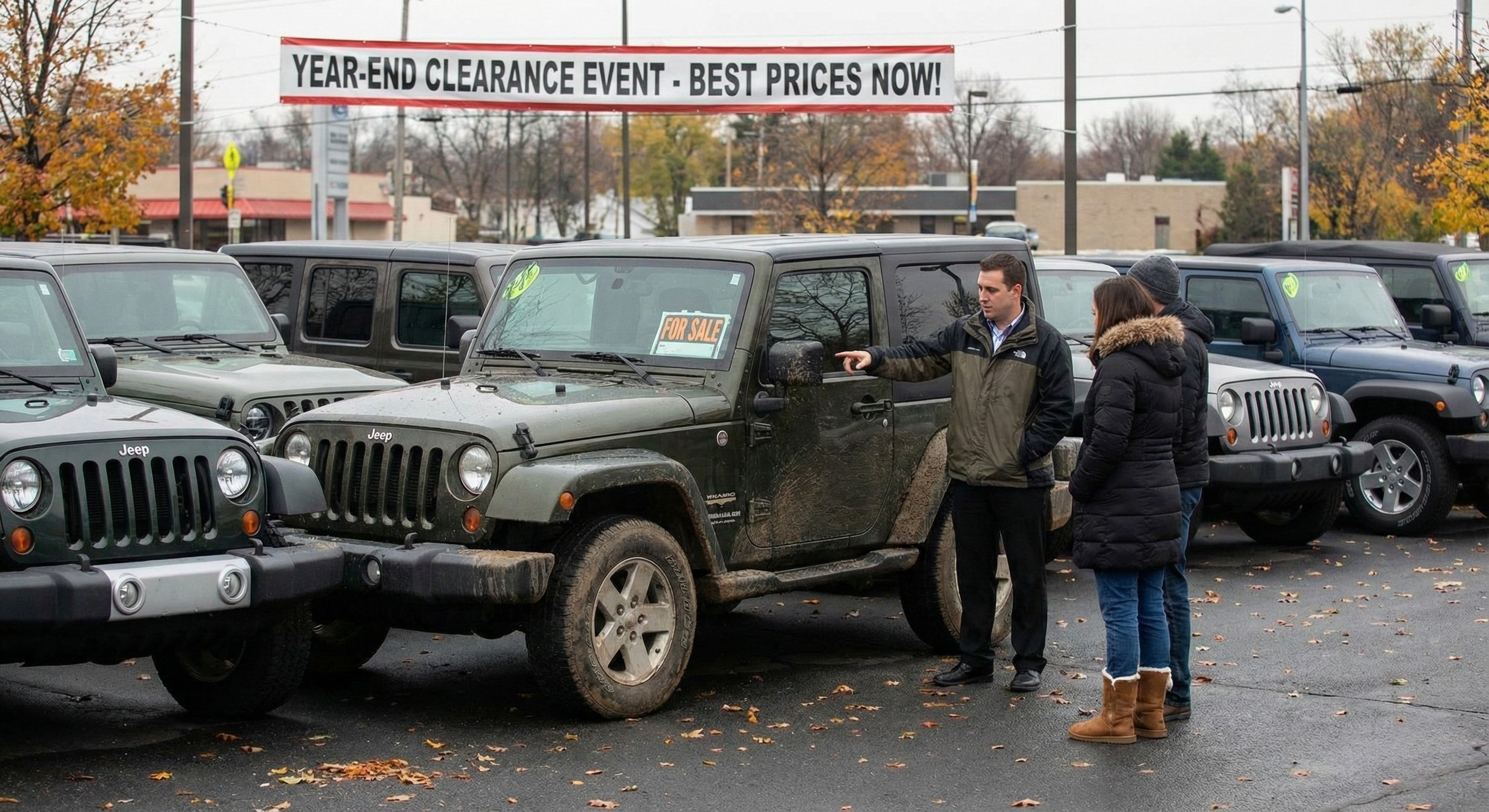
The Best Time of Year to Buy a Used Jeep: A Seasonal Guide for Smart Shoppers
If you’ve been scrolling through listings of jeeps for sale and wondering when the stars will align for that perfect deal, you’re not alone. The used Jeep market has its own rhythm—one shaped by weather, demand cycles, dealership quotas, and even personal lifestyle shifts. Understanding that rhythm can help you buy the right Jeep at the right time without overpaying.
In this guide, we’ll unpack when used Jeeps tend to be priced lowest, why timing matters, and what you can do to make sure you snag a clean, reliable ride.
Why Timing Matters When Buying a Used Jeep
Unlike typical sedans, Jeeps have a seasonal desirability curve. People buy them for adventure—beach trips, trails, mountain drives, and everything in between. That means when the weather peaks, so does demand.
But Jeep ownership isn’t just about rugged charm. Many buyers look for tips on noise suppression, cabin comfort, and ride smoothness. Knowing how to assess these aspects—especially during certain times of year—can save you from hidden headaches.
The Best Times of Year to Buy a Used Jeep
1. Late Fall (October–November) – The Sweet Spot
When the weather cools and summer adventurers call it a season, demand dips. Fewer weekend warriors are hunting for trail-ready rigs, and dealerships shift their focus toward year-end sales targets.
Why this matters:
- Lower demand = better negotiating power
- More trade-ins arrive as people downsize before winter
- Dealers start clearing inventory to hit Q4 quotas
If you want the perfect mix of selection and savings, fall is king.
2. Winter Months (December–February) – Quiet Market, Quiet Prices
Winter is surprisingly ideal for buying a used Jeep—especially if you’re in a colder region. Many sellers avoid upgrading during the holidays, which means fewer buyers are online competing with you.
You benefit by:
- Having less competition
- Finding owners willing to sell quickly
- Spotting potential cold-weather issues (battery, heater, noise insulation, etc.)
Buying during winter also gives you a chance to judge how well the Jeep handles snow, wind noise, and cold-weather cabin seals—an underrated advantage for anyone researching Jeep noise suppression tips.
3. Early Spring (March–April) – Great for Finding Fresh Trade-Ins
By spring, car fever returns. New model releases give Jeep enthusiasts an excuse to upgrade, leading to a surge in trade-ins arriving at dealerships.
Pros of spring shopping:
- Larger inventory
- Better chances of finding low-mileage units
- Easier scheduling for inspections and test drives
The catch?
Prices begin to rise as adventurers gear up for summer. Shop early.
4. End of the Month & Quarter – Negotiation Windows
Regardless of season, dealerships often push hard to hit their numbers at:
- End of the month
- End of each quarter
- End of the fiscal year
If you’re buying from a dealer, these times can shave hundreds (or thousands) off your purchase.
Other Factors Affecting Jeep Prices
Weather Patterns
Oddly enough, a stretch of bad weather—snowstorms, heatwaves, or heavy rain—can discourage buyers from test-driving. Sellers may adjust prices to stimulate interest.
Fuel Prices
When gas prices spike, people hesitate to buy larger vehicles. Used Jeep prices often dip slightly during those periods.
New Model Announcements
Every time Jeep teases a new Wrangler or Grand Cherokee, the older models quietly become more affordable.
How to Get the Best Deal on a Used Jeep
Even if you shop at the perfect time of year, you still need a strategy.
✔ Inspect for Cabin & Exterior Noise Issues
A Jeep’s rugged build sometimes invites:
- Loose panels
- Worn-out door seals
- Aggressive tire hum
- Wind whistling around aftermarket parts
Ask to test-drive at 40–70 mph—prime noise detection range.
✔ Check for Off-Road Wear
Look for:
- Scratched undercarriage
- Bent control arms
- Dented skid plates
- Mismatched tires
A Jeep that lived on trails tells a different story from one that lived in grocery-store parking lots.
✔ Pay Attention to Seasonal Pricing Trends
If you must buy outside the optimal months, use pricing history tools to avoid overpaying.
✔ Look Beyond Dealerships
Private sellers listing jeeps for sale often drop prices suddenly due to job changes, moves, or lifestyle shifts—especially in winter and late fall.
Final Thoughts: When Should YOU Buy?
If you want the lowest prices, aim for late fall to mid-winter.
If you want the best selection, shop early spring.
If you want the best negotiation leverage, target end-of-month or quarter.
And no matter the season, remember: the right Jeep isn’t just about capability—it’s about comfort, quietness, and confidence on every road. Take time to evaluate noise levels, seal integrity, and vibration patterns to ensure your Jeep feels as good as it performs.
Ready to begin your hunt? The best deals are often hiding in plain sight—you just need to time your search well.

Leave a Reply